Tag: Kemet

  • Pan-Afrikan Nationalism Has Ancient Roots — And Kmt Proves It

    Pan-Afrikan Nationalism Has Ancient Roots — And Kmt Proves It

    ancient Pan-Afrikan nationalism

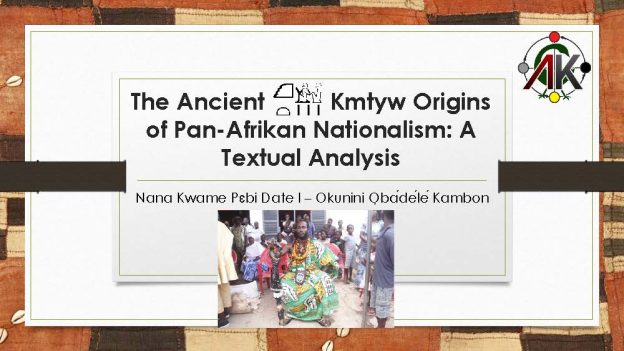
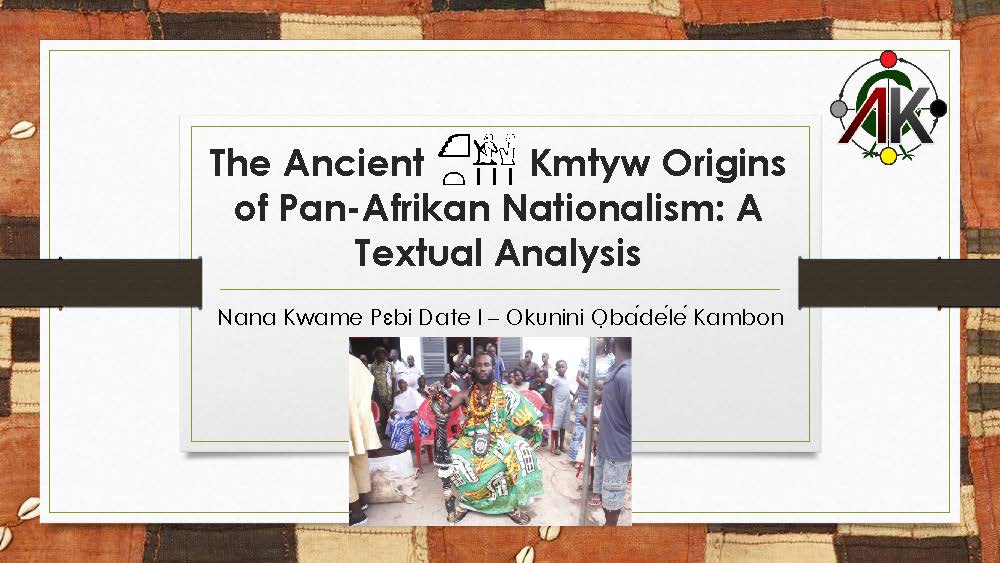
    Ancient Pan-Afrikan nationalism is not a modern invention — it is a living inheritance coded into the very foundations of Afrikan civilization. Our ancestors unified Black people across vast territories long before European colonizers drew their artificial borders. This truth demands documentation. Furthermore, it demands celebration. Ɔbenfo Ọbádélé Bakari Kambon — world-renowned Pan-Afrikan linguist and architect of Abibitumi — delivers exactly that in this powerful and necessary lecture.

    In this presentation, Ɔbenfo Kambon draws directly from primary textual sources to demonstrate that Kmt — the Land of Black people — operated with an intentional foreign policy of integration. That policy unified Afrikan peoples, ethnicities, and kingdoms into progressively larger socio-political formations. Moreover, this same unifying impulse appears across Wagadu, Nyani, Gao, Kȝš, Wene we Kôngo, Dzimba-hwe, Buganda, Kanem-Bornu, Meroë, and many more. These were not coincidences. They were a consistent Afrikan imperative.

    The Kmtyw Laid the Foundation for Ancient Pan-Afrikan Nationalism

    Most importantly, this lecture does not theorize from the outside looking in. Ɔbenfo Kambon anchors every argument in textual analysis — reading the evidence left by the Kmtyw themselves. As a result, Abibifahodie-minded scholars, students, and community builders receive a rigorous and unapologetic foundation for understanding Black unity as ancestral practice. This is not borrowed ideology. This is our own story, recovered and reclaimed through disciplined scholarship.

    In addition, this work directly serves the mission of Abibitumi — equipping Afrikan people globally with the intellectual and historical tools needed for total liberation. Pan-Afrikan unity is not a dream deferred. It is a documented, ancient, and ongoing reality. Therefore, every Afrikan serious about Abibifahodie needs this lecture in their library. Watch it, study it, and share it widely. Get it here: The Ancient Kmtyw Origins of Pan-Afrikan Nationalism — $20.00.

  • Reclaiming the Language of Blackness: Why sbAyt nt Kmtyw Matters

    Reclaiming the Language of Blackness: Why sbAyt nt Kmtyw Matters

    Studies of Black People

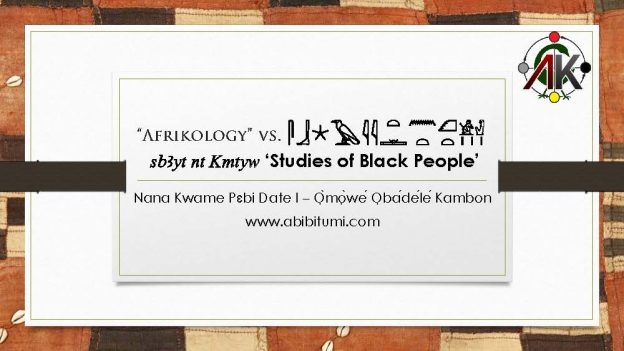
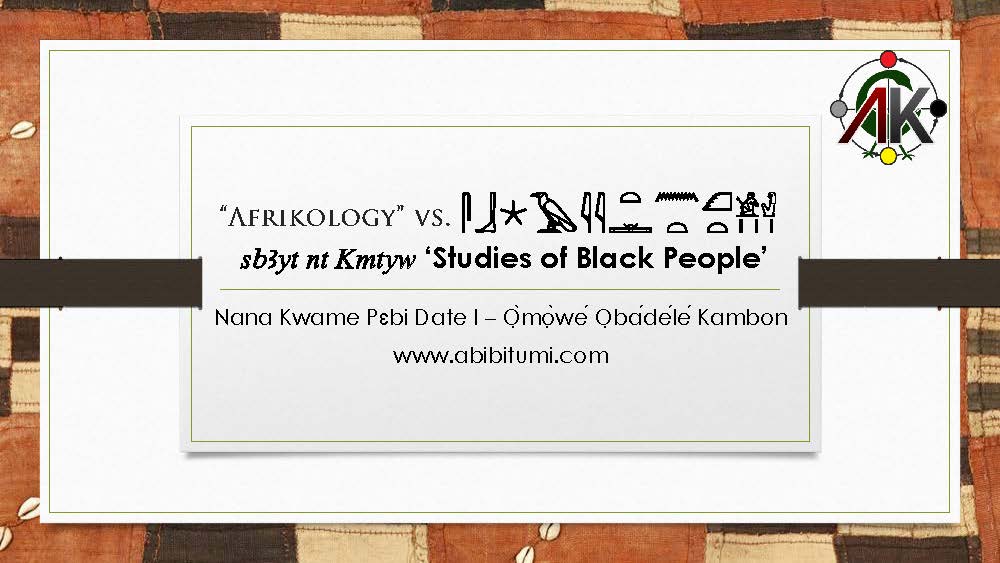
    The battle over Studies of Black People begins with a single, powerful question: who owns the language we use to define ourselves? Words are not neutral. They carry history, intention, and power. Furthermore, the roots of any term we use to describe Afrikan people reveal whose worldview we are operating from. This is precisely the terrain that Ɔbenfo Ọbádélé Bakari Kambon enters in this essential presentation — and he enters it armed with primary source texts, linguistic precision, and uncompromising clarity.

    The term “Afrikology” sounds Afrikan-centered. However, its roots are firmly embedded in greco-roman linguistic traditions. As a result, it carries the conceptual fingerprints of a non-Afrikan worldview. In contrast, sbAyt nt Kmtyw — meaning Studies of Black People — is indigenous to Black people themselves. Moreover, it locates Afrikan people throughout all of space and time. It does not invite non-Black people into the center of a framework built for us. This distinction is not academic hairsplitting. It is a matter of liberation or continued conceptual colonization.

    Why the Language of Studies of Black People Must Come From Us

    Ɔbenfo Kambon goes deep into the etymology of both terms. He shows precisely how names shape reality — especially regarding land, belonging, and sovereignty. Most importantly, he addresses what the term Kmt actually means: the land of Black people. Therefore, naming that land and its study using our own linguistic heritage is an act of Abibifahodie. In addition, the presentation tackles the urgent question of non-Kmtyw presence in Kmt — drawing directly from ancient Afrikan source texts. This is Abibitumi at its most foundational: returning the tools of knowledge to the people those tools were always meant to serve.

    This lecture is essential for scholars, students, community builders, and every Afrikan person who has ever felt something was missing from mainstream academic frameworks. The work of Ɔbenfo Ọbádélé Kambon does not ask for permission to center Black people. Instead, it demonstrates — through rigorous linguistic and historical scholarship — that centering us was always the only correct path. Consequently, this presentation belongs in every Pan-Afrikan study circle, classroom, and household committed to genuine liberation. Do not sleep on this one.

    Watch / Get it here: https://stg-abibitumi-rpd-3fbq.ue1.rapydapps.cloud/product/afrikology-vs-sbayt-nt-kmtyw-studies-of-black-people-the-battle-for-conceptualization/

  • How Kemetic Cosmology Shapes the Architecture of Black Liberation

    How Kemetic Cosmology Shapes the Architecture of Black Liberation

    Kmtyw worldview architecture

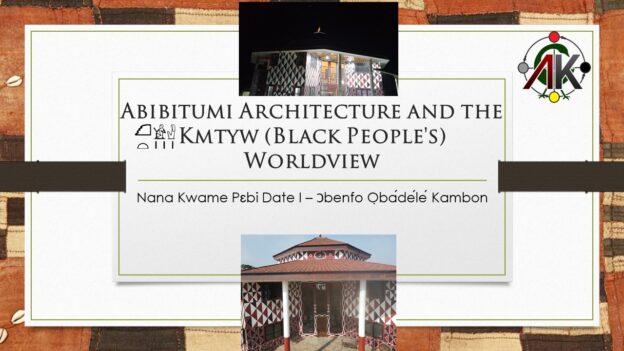
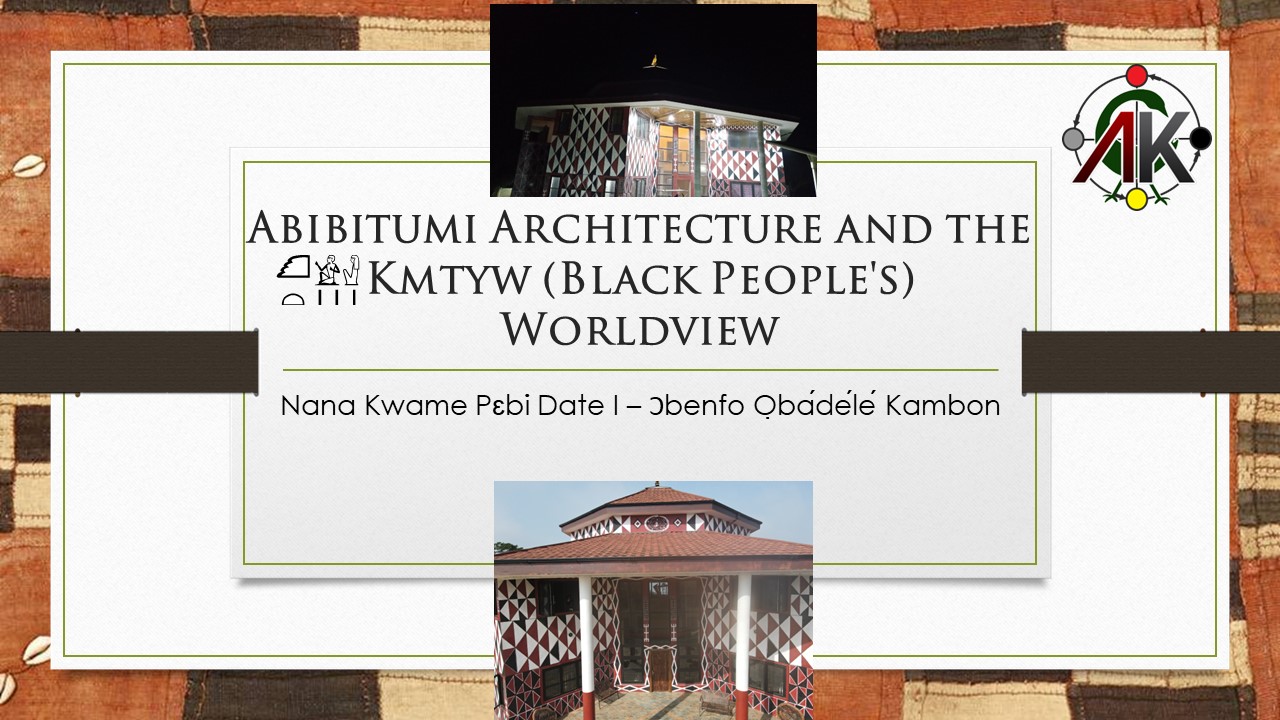
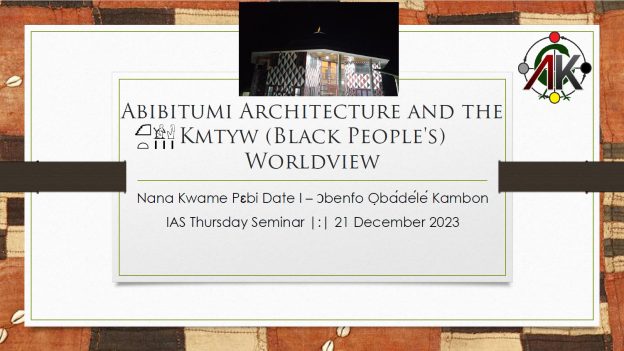
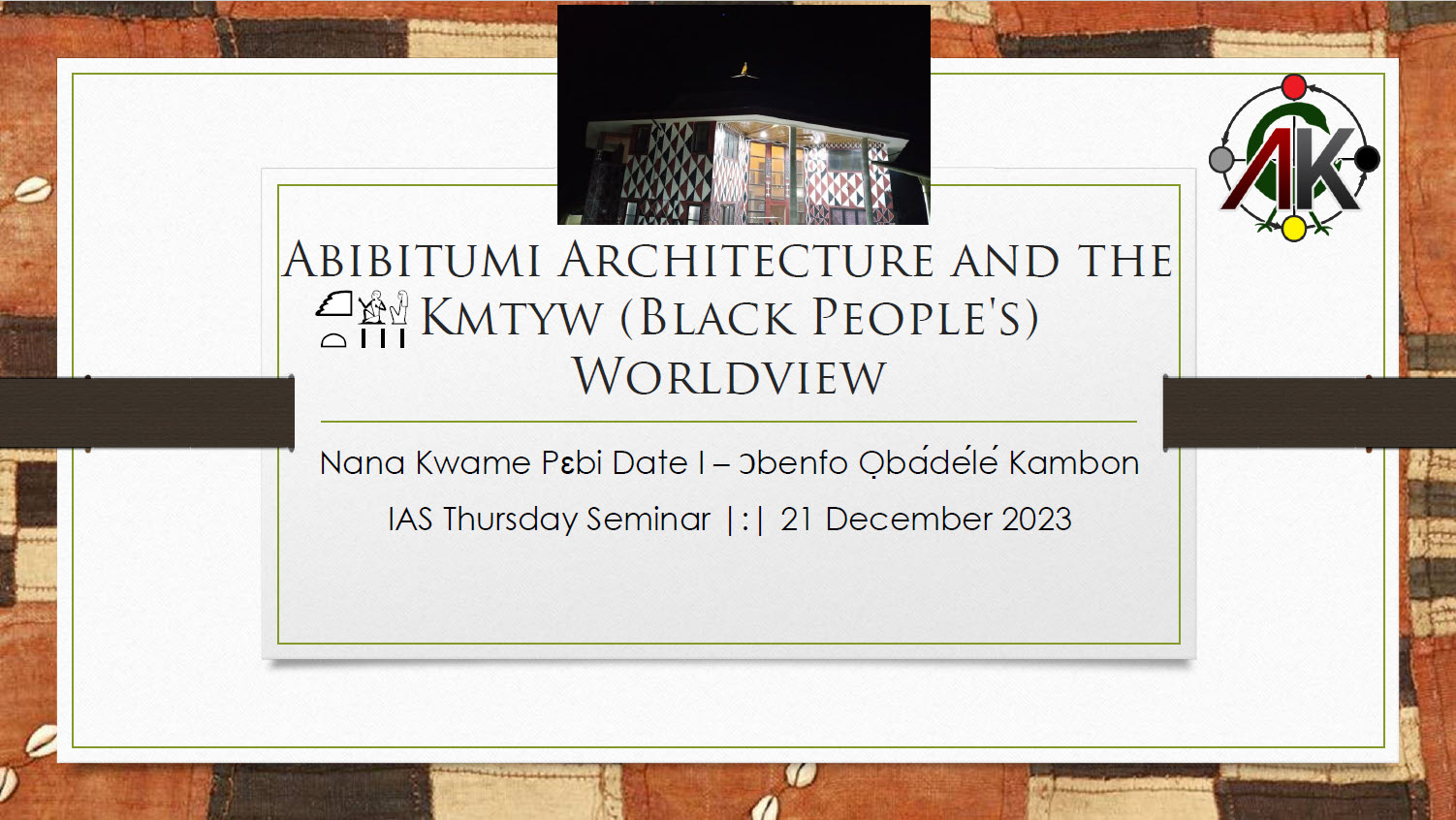
    The Kmtyw worldview architecture of Abibitumi is not a metaphor — it is a living blueprint for Afrikan liberation. Ɔbenfo Ọbádélé Bakari Kambon, Pan-Afrikan linguist and founder of Abibitumi, delivered a landmark presentation that every conscious Afrikan must experience. In it, he walks viewers through the physical headquarters of Abibitumi. Furthermore, he reveals exactly how ancient Kemetic cosmology shapes every structural decision made there. This is not decoration. This is doctrine made concrete.

    Ɔbenfo Kambon draws directly from his original peer-reviewed research for this presentation. As a result, viewers receive scholarship that is both intellectually rigorous and practically grounded. He connects classical Kemetic principles to contemporary institution-building in ways that feel immediate and urgent. Most importantly, he shows how Afrikan people can apply this knowledge right now — in their homes, communities, and organizations. This is the kind of transformational education Abibitumi was built to deliver.

    Why the Kmtyw Worldview Architecture Changes Everything

    The Kmtyw worldview architecture Ɔbenfo presents is rooted in Ma’at — truth, justice, and cosmic order. However, this lecture goes far beyond theory. He gives a live, real-time walkthrough of Abibitumi’s physical space in Ghana. In addition, he explains how each design choice reflects Afrikan cosmological values rather than colonial ones. This is institution-building as an act of Abibifahodie — Black Liberation — made visible in wood, stone, and structure. Every minute of this 1 hour and 20 minute recording delivers depth that rewards serious students of Afrikan thought.

    This was a once-in-a-lifetime live event. Therefore, missing it in real time does not mean missing it forever. The full video recording and accompanying slides are now available for just $20. Furthermore, every purchase directly supports the Abibitumi “Raise the Roof” campaign — a BlackPowerful effort to expand this Afrikan institution for generations to come. Do not wait. Invest in your liberation education today and witness how ancient Afrikan wisdom becomes living infrastructure.

    Watch it now and get the slides here: Abibitumi Architecture and the Kmtyw Worldview — Video Recording + Slides

  • Building Liberation: How Kmtyw Architecture Reflects the Black Worldview

    Building Liberation: How Kmtyw Architecture Reflects the Black Worldview

    Kmtyw worldview architecture

    Kmtyw worldview architecture is not theory — it is living, breathing practice. Ɔbenfo Ọbádélé Bakari Kambon has done what few scholars dare: he built his cosmology into stone, earth, and wood. This landmark lecture reveals how Abibitumi Ahemfie — the Abibitumi Palace — was designed as a family-based, intergenerational residential and work space. Furthermore, every element of the structure carries intentional meaning rooted in classical Kmt knowledge systems.

    The building draws from creation stories across ḫmnw, iwnw, mn nfr, and wꜣst. In addition, it incorporates cosmological wisdom from the Dogon, Bakôngo, Basongye, Bambara, Fɔn, and Kasena-Nankana peoples. As a result, the structure becomes a monument to Kmtyw continuity — not a museum piece, but a living home. Earth blocks, stone floors, wood ceilings, and solar orientation all serve specific etiological and ontological purposes. Most importantly, the exclusive reliance on Rꜥ — the sun — as an energy source reflects deep alignment with ancestral principles.

    How Ɔbenfo Kambon Brings the Kmtyw Worldview Architecture to Life

    Significant numbers are woven into the structure through geometric shapes and bomborisi painting. These are not decorations — they are cosmological statements. Ɔbenfo Ọbádélé Kambon treats architecture as a form of scholarship and liberation praxis. Therefore, every design choice answers to Ma’at and to the ancestors. This lecture makes that entire process visible, accessible, and teachable to the broader Kmtyw community. Furthermore, it demonstrates that Abibifahodie requires us to build differently — physically, intellectually, and spiritually.

    This presentation is essential for scholars, students, architects, and community builders committed to Abibifahodie. However, it speaks equally to parents and families who want their living spaces to reflect who they truly are. Ɔbenfo Kambon’s work through Abibitumi continues to set the standard for Pan-Afrikan education grounded in ancestral truth. As a result, this lecture is not simply a purchase — it is an investment in how we understand, build, and inhabit our world. Watch it, study it, and build from it.

    Watch / Get it here: Abibitumi Architecture and the Kmtyw Worldview — Ɔbenfo Ọbádélé Kambon

  • Beyond Decolonization: Reclaiming Temporal Reality Through Ma’at and the Restoration of Kmt

    Beyond Decolonization: Reclaiming Temporal Reality Through Ma’at and the Restoration of Kmt

    Ma'at temporal reality

    Ma’at temporal reality offers Kmtyw people a sovereign framework for understanding time, identity, and liberation. Most scholars working on decolonization unknowingly trap themselves inside colonial logic. They use colonial languages to conceptualize freedom. Furthermore, they root their entire identity in the presence — or absence — of the colonial enemy. This is not liberation. This is reaction.

    Ɔbenfo Ọbádélé Bakari Kambon, master linguist and architect of Abibitumi, identifies three critical problems with decolonization discourse. First, colonial language distorts how we conceptualize reality. Second, imagining time as a straight line — pre-colonial, colonial, post-colonial — imprisons our thinking. Third, defining ourselves in relation to our oppressor keeps us perpetually off-center. As a result, what passes as liberation theory often reinforces the very structures we aim to dismantle. Ɔbenfo Kambon cuts through this confusion with surgical precision and ancestral grounding.

    How Ma’at Temporal Reality and srwḏ tꜢ n Kmt Restore Kmtyw Power

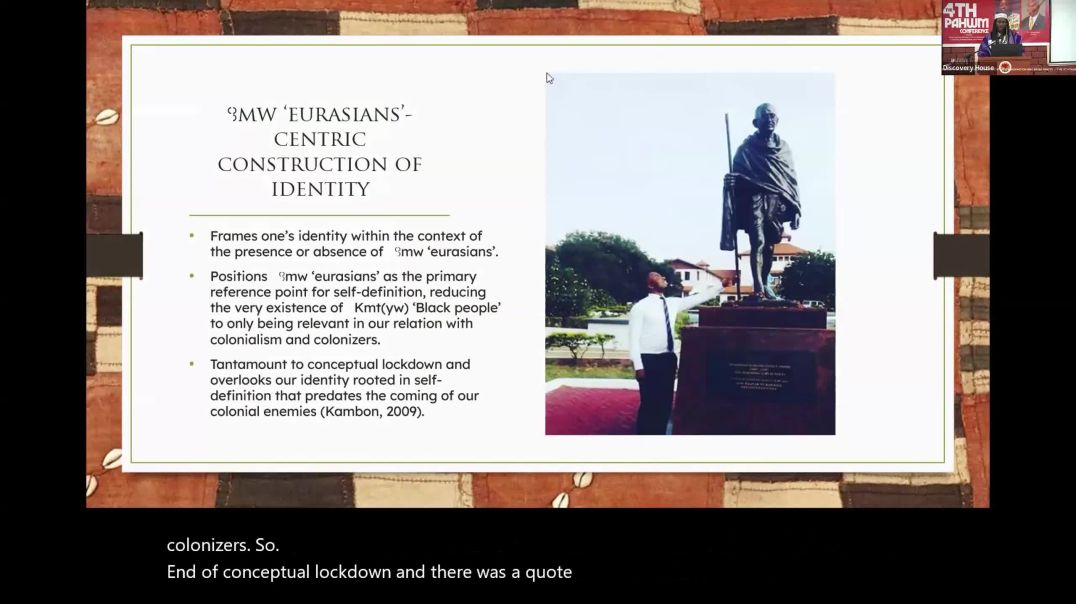
    Using comparative historical analysis, Ɔbenfo Kambon reframes movements like #GandhiMustFall through a Kmtyw-centered lens. He connects them directly to Amnirense qore li kdwe li’s #AugustusMustFall campaign. In addition, he demonstrates that these were never about decolonization — a buzzword designed to attract funding, not produce freedom. Instead, they represent a continuous, unbroken Kmtyw struggle for srwḏ tꜢ n Kmt — restoring the land of Black people. Most importantly, this restoration operates outside colonial time entirely. Ma’at is not a reaction to colonialism. Ma’at is the eternal standard that predates and outlasts every colonial project.

    This lecture is essential study for every Kmtyw scholar, student, community builder, and freedom fighter. Abibifahodie demands that we think, speak, and organize on our own terms. Therefore, we cannot afford to chase liberation using the colonizer’s conceptual tools. Ɔbenfo Kambon equips us with the intellectual and spiritual architecture to build something permanent. Furthermore, this presentation connects deep Kemetic wisdom directly to practical questions of land, self-sufficiency, and sovereignty. This is exactly the kind of grounded, uncompromising scholarship that Abibitumi was built to deliver. Watch the full lecture and go deeper into the work of restoring Kmt — on our terms, in our time.

    👉 Watch / Get it here: Temporal Reality Ma’at and srwḏ tꜢ n Kmt — Abibitumi