Tag: Kemet

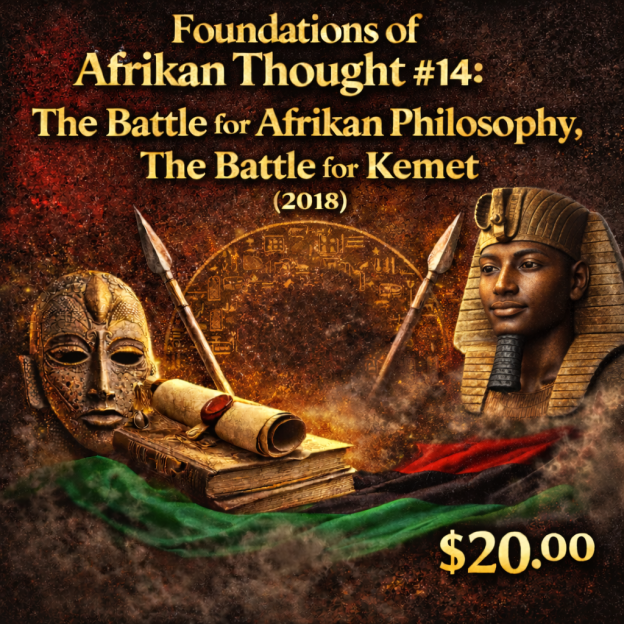
  • Who Owns Afrikan Philosophy? The Battle for Kemet Explained

    Who Owns Afrikan Philosophy? The Battle for Kemet Explained

    Afrikan philosophy and Kemet

    Afrikan philosophy and Kemet represent two of the most contested intellectual battlegrounds in the modern world. For centuries, forces hostile to Afrikan liberation have worked to separate Black people from their philosophical heritage. Furthermore, they have worked to erase Kemet — ancient Kmt — from its rightful place in Afrikan intellectual history. This lecture confronts that erasure directly, powerfully, and without apology.

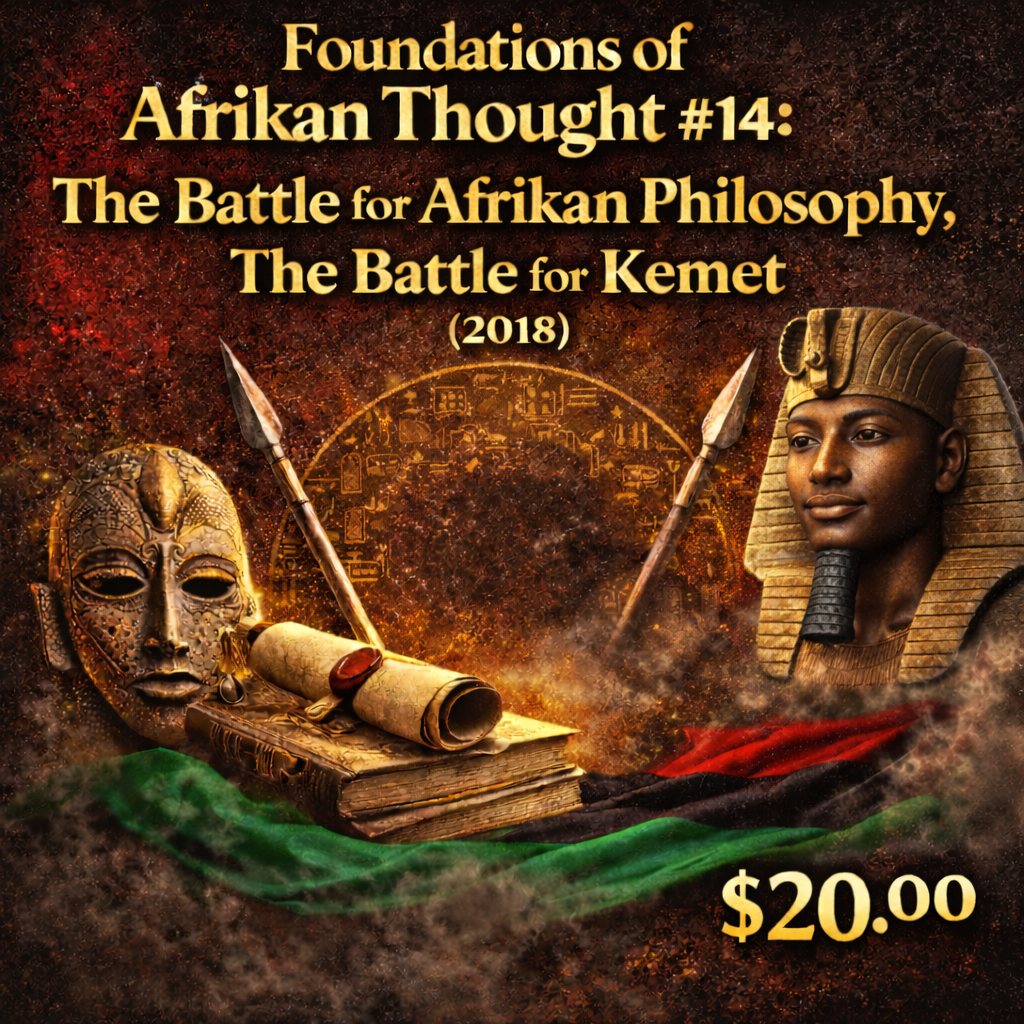
    Ɔbenfo Ọbádélé Bakari Kambon — architect of Abibitumi and world-renowned Pan-Afrikan linguist — delivers this three-hour masterclass as Week 14 of the Foundations of Kmtyw (Afrikan=Black) Thought course. In addition, the lecture draws on Jacob H. Carruthers’ landmark text Intellectual Warfare, situating the battle for Kmt within a broader struggle for epistemological sovereignty. As a result, students gain not only historical knowledge but also a sharpened analytical lens. Ɔbenfo Kambon does not simply teach philosophy — he equips Afrikan people to wield it.

    Why the Battle for Afrikan Philosophy and Kemet Still Matters Today

    The African Thinkers Program was designed to fill a critical gap. Most MPhil and PhD students never encounter genuinely Afrikan modes of thought. However, this course changes that. It introduces core principles, patterns, and histories of knowledge production across Afrika and the Afrikan World — from antiquity to the present. Most importantly, it centers the Kmtyw — the ancient Black builders of Kmt — as originators of philosophical thought, not recipients of it. This lecture includes a full 53-slide secured PDF, giving serious scholars a structured framework for deep study.

    Abibifahodie — Afrikan liberation — demands that we reclaim every domain stolen from us. Philosophy is no exception. Indeed, intellectual warfare is real, and this lecture names it clearly. The Foundations of Kmtyw Thought series builds the epistemological foundation that every Pan-Afrikan scholar, student, parent, and community builder deserves. In addition, at only $20 for over three hours of rigorous instruction, this resource makes no compromises on depth or quality. Therefore, whether you are entering graduate study or deepening your liberation praxis, this lecture belongs in your collection.

    Watch now and get the full Video + Secured PDF Combo here:
    Foundations of Afrikan Thought #14 — The Battle for Afrikan Philosophy, The Battle for Kemet (2018)

  • Reclaiming Afrikan Spirituality: Animism as a Living Afrikan Belief System

    Reclaiming Afrikan Spirituality: Animism as a Living Afrikan Belief System

    Afrikan animism belief system

    Afrikan animism as a belief system is not primitive — it is profound, coherent, and urgently relevant to Abibifahodie today. Most academic institutions erase or distort Afrikan spiritual philosophy entirely. As a result, many of our people inherit frameworks that disconnect them from their own epistemological roots. This lecture cuts directly through that erasure with clarity and power.

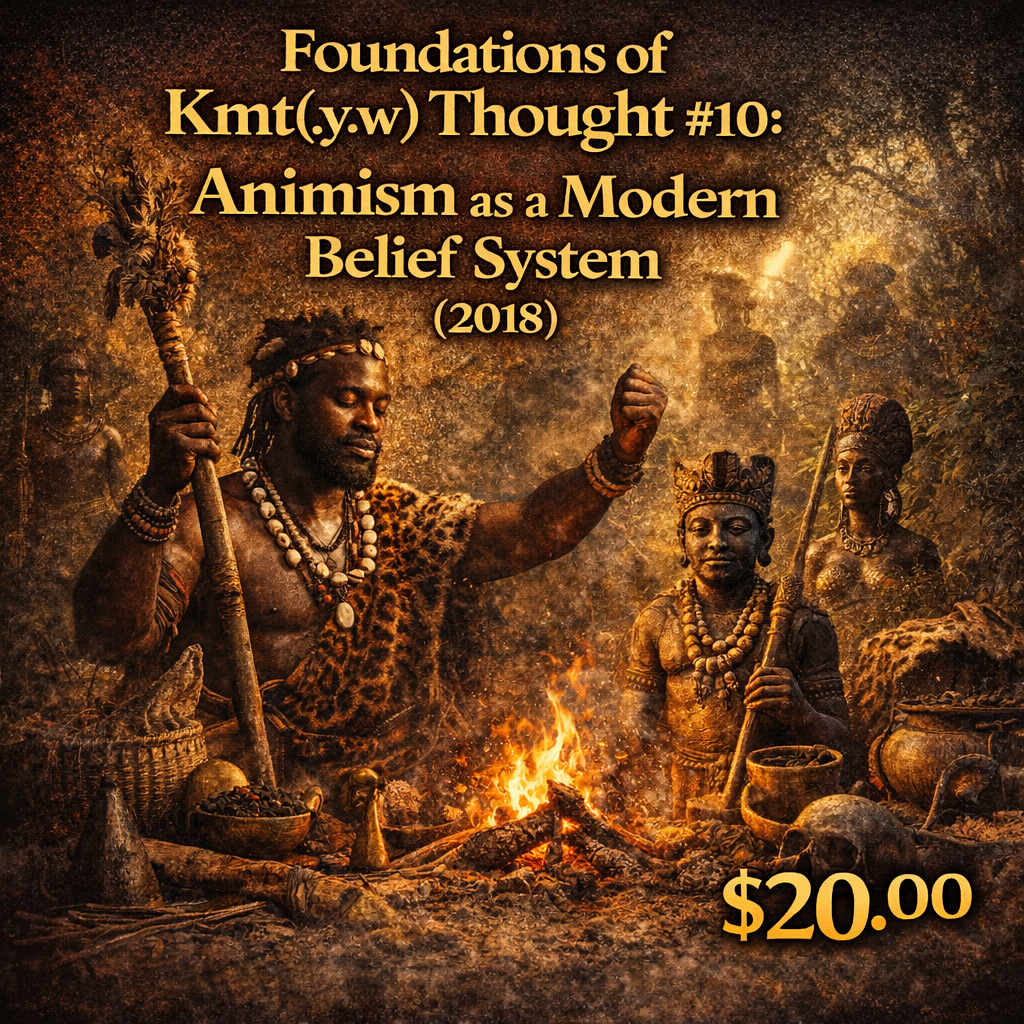
    In Foundations of Kmt(.y.w) Thought #10, Ɔbenfo Ọbádélé Bakari Kambon — Pan-Afrikan linguist and architect of Abibitumi — delivers a 37-minute lecture on animism as a living, modern philosophical tradition. Furthermore, he grounds this discussion firmly within Kmtyw intellectual history. This is not folklore. This is rigorous, liberatory scholarship built for our people. The accompanying 31-slide secured PDF deepens the study experience significantly. In addition, the course draws from essential texts by Kamalu and the Akotos, anchoring each concept in serious Afrikan-centered academic work.

    Why Understanding the Afrikan Animism Belief System Changes Everything

    Colonialism did not just steal land — it stole our ways of knowing. However, the Kmtyw Thinkers Program, developed by Ɔbenfo Kambon, exists to restore what was taken. This course fills a critical gap in the epistemological universe of graduate-level scholars and community builders alike. Most importantly, it centers Kmt and the Kmtyw world — from antiquity to the present — as a complete and self-sufficient philosophical tradition. Every Afrikan student, parent, and community organizer deserves access to this depth of knowledge.

    Week 10 is a turning point in the full course arc. It challenges learners to move beyond surface-level spirituality and engage animism as a structured, sophisticated worldview. Therefore, this lecture does not just inform — it transforms. Whether you are pursuing an MPhil, building community curriculum, or simply hungry for truth, this resource meets you with power and precision. Get your video and secured PDF combo today and take the next step in your Abibifahodie journey.

    Watch / Get it here: Foundations of Kmt(.y.w) Thought #10 — Animism as a Modern Belief System

  • Reclaiming the Earth: Afrikan Land, Ancestry, and Agricultural Wisdom Through Kmtyw Thought

    Reclaiming the Earth: Afrikan Land, Ancestry, and Agricultural Wisdom Through Kmtyw Thought

    Afrikan earth and land

    Afrikan earth and land are not simply resources — they are sacred inheritance, held in trust by the living for the Ancestors and generations yet unborn. This profound truth sits at the heart of Kmtyw civilization. Yet colonial systems have worked violently to sever Afrikan people from this understanding. Fortunately, Ɔbenfo Ọbádélé Bakari Kambon has dedicated his life’s work to restoring exactly this knowledge. In this powerful Week 8 lecture from the Foundations of Kmtyw Thought series, he delivers over three hours of essential, liberatory teaching.

    Why Afrikan Earth and Land Must Be Central to Abibifahodie

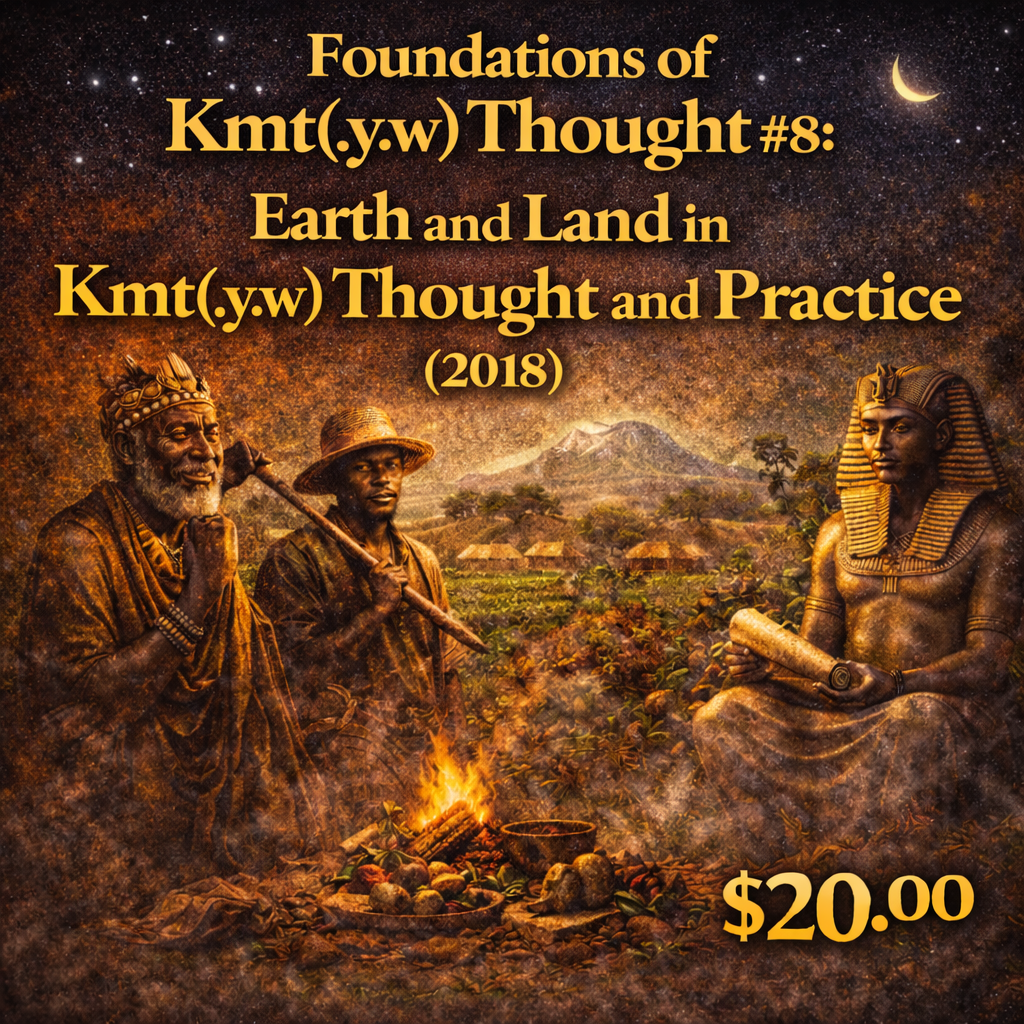
    Ɔbenfo Kambon grounds this lecture in the Kmtyw understanding that Ancestors remain the true owners of the land. Therefore, the living serve as custodians — not individual property holders. Furthermore, he traces the agricultural cycle as a deeply ritual and spiritual practice. The human community and the natural environment exist in dynamic, transcendental relationship. In addition, Ɔbenfo examines the Transcendental Cult of the Earth and its earth-based spiritual, social, political, and economic systems. These are not relics. They are living frameworks for Afrikan sovereignty today.

    This lecture also confronts colonial land policy directly. Specifically, Ɔbenfo analyzes how British colonial policy in Kenya deliberately alienated Kmtyw people from their land. As a result, generations lost not only territory but also identity, spirituality, and self-sufficiency. However, this session does more than diagnose the wound. It equips us with the ancestral tools to heal it. The 56-slide secured PDF accompanies the full 3-hour, 42-minute video for deep, independent study. Core readings draw from Kamalu’s Person, Divinity and Nature and Fu-Kiau’s Self-Healing Power and Therapy.

    Most importantly, this lecture is not academic performance for outsiders. It is Abibitumi at its truest — knowledge built by Afrikan people, for Afrikan people, in service of Abibifahodie. Whether you are a scholar, a student, a farmer, or a community builder, this session challenges you to reconnect with the land as a sacred, political act. Reclaiming Afrikan earth and land begins with reclaiming the thought systems that have always honored it. Do not wait to access this transformative resource.

    Watch / Get it here: Foundations of Kmtyw Thought #8 — Earth and Land in Kmtyw Thought and Practice (2018) — $20.00

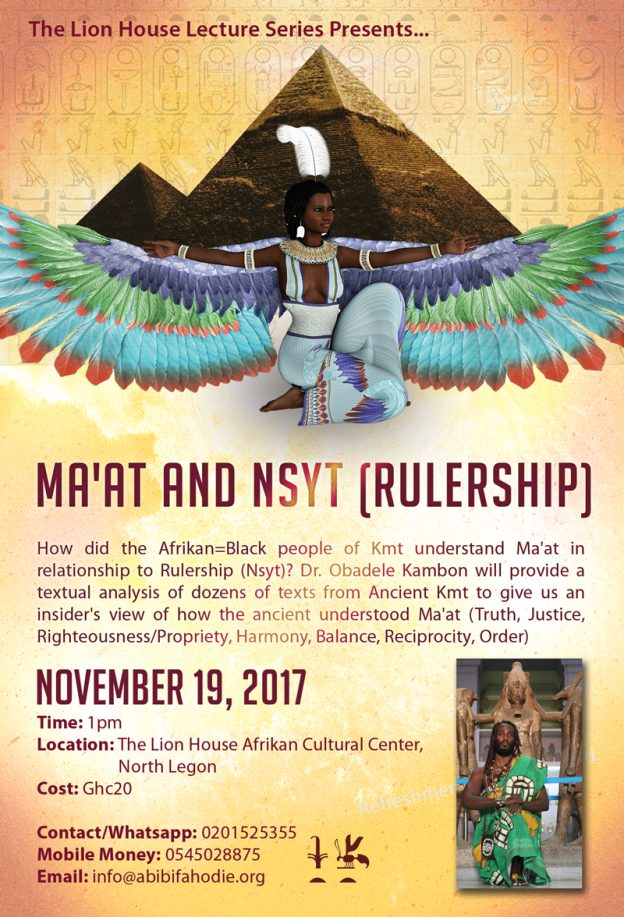
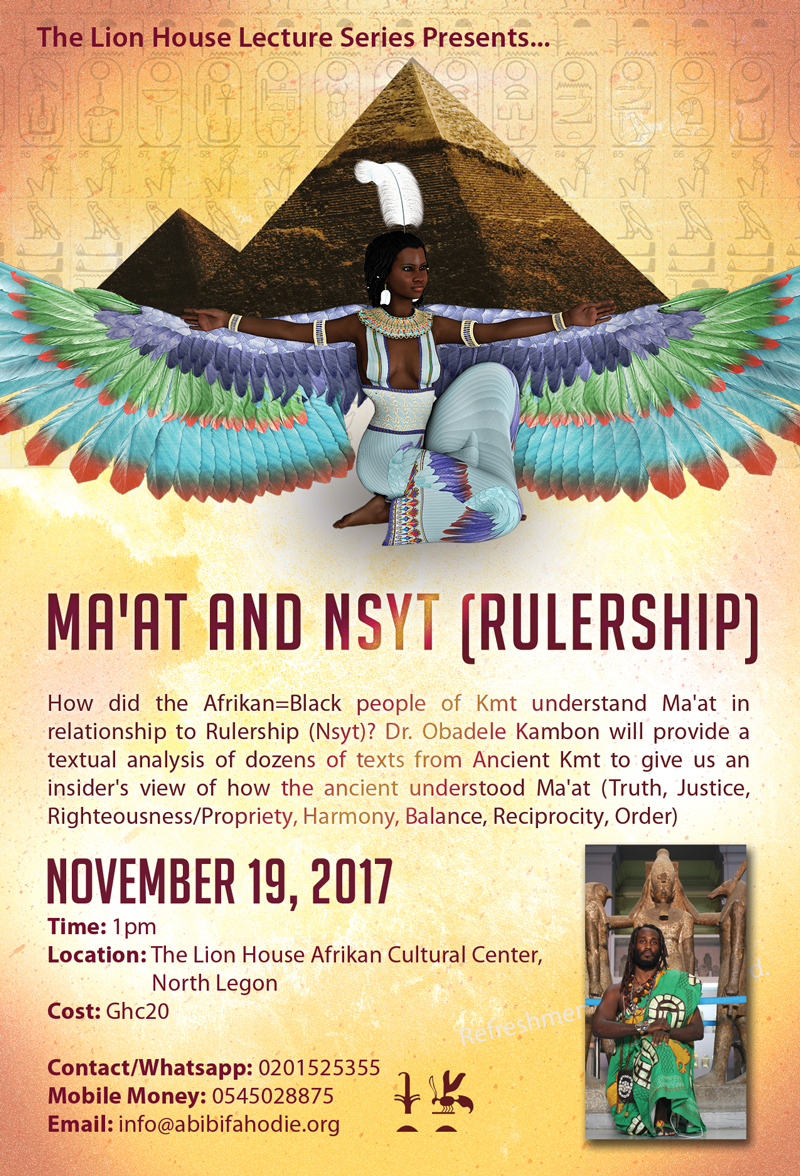
  • Ma’at and Rulership in Ancient Kmt: What Our Ancestors Knew About Justice and Power

    Ma’at and Rulership in Ancient Kmt: What Our Ancestors Knew About Justice and Power

    Ma'at and rulership in Kmt

    Ma’at and rulership in Kmt form the philosophical and political foundation that governed one of the greatest civilizations our ancestors ever built. This is not abstract history. Furthermore, it is a living framework — one that Afrikan people urgently need to reclaim today. Most importantly, understanding these principles reconnects us to the sovereign tradition of the Kmtyw, our ancient ancestors who walked in alignment, justice, and divine order.

    Ɔbenfo Ọbádélé Bakari Kambon — Pan-Afrikan linguist, scholar, and architect of Abibitumi — delivers a masterful, deeply researched lecture on exactly these principles. He draws directly from Kmtyw sources. In addition, he frames the material through the lens of Abibifahodie — Black liberation — grounding ancient wisdom in our present struggle. This is not a surface-level survey. It is a rigorous, transformative deep-dive spanning two hours and forty-nine minutes, supported by 88 detailed slides.

    Why Ma’at and Rulership in Kmt Must Ground Our Liberation Work

    Nsyt — rulership — was never simply about power for the Kmtyw. Rather, it was inseparable from Ma’at: truth, justice, balance, and cosmic order. A ruler who violated Ma’at violated the very foundation of civilization. As a result, governance became a sacred responsibility, not a privilege. However, colonial miseducation has severed Afrikan people from this understanding. Ɔbenfo Kambon restores that severed connection with precision, clarity, and unapologetic Afrikan-centered scholarship. Every slide, every reference, every analysis serves Afrikan people directly.

    This lecture originally aired on November 19, 2017, and it remains as vital and necessary as ever. Students, scholars, community builders, and parents will all find deep value here. In addition, the self-paced format means you engage on your own terms, at your own speed, as many times as you need. This is the kind of education Abibitumi was built to provide — rooted in our ancestors, designed for our liberation. Do not wait to access this knowledge. Your ancestors built civilizations on these very principles. Now it is your turn to carry that legacy forward.

    Watch the full lecture and access all 88 slides here: On Ma’at And Nsyt (Rulership) — Get It Here

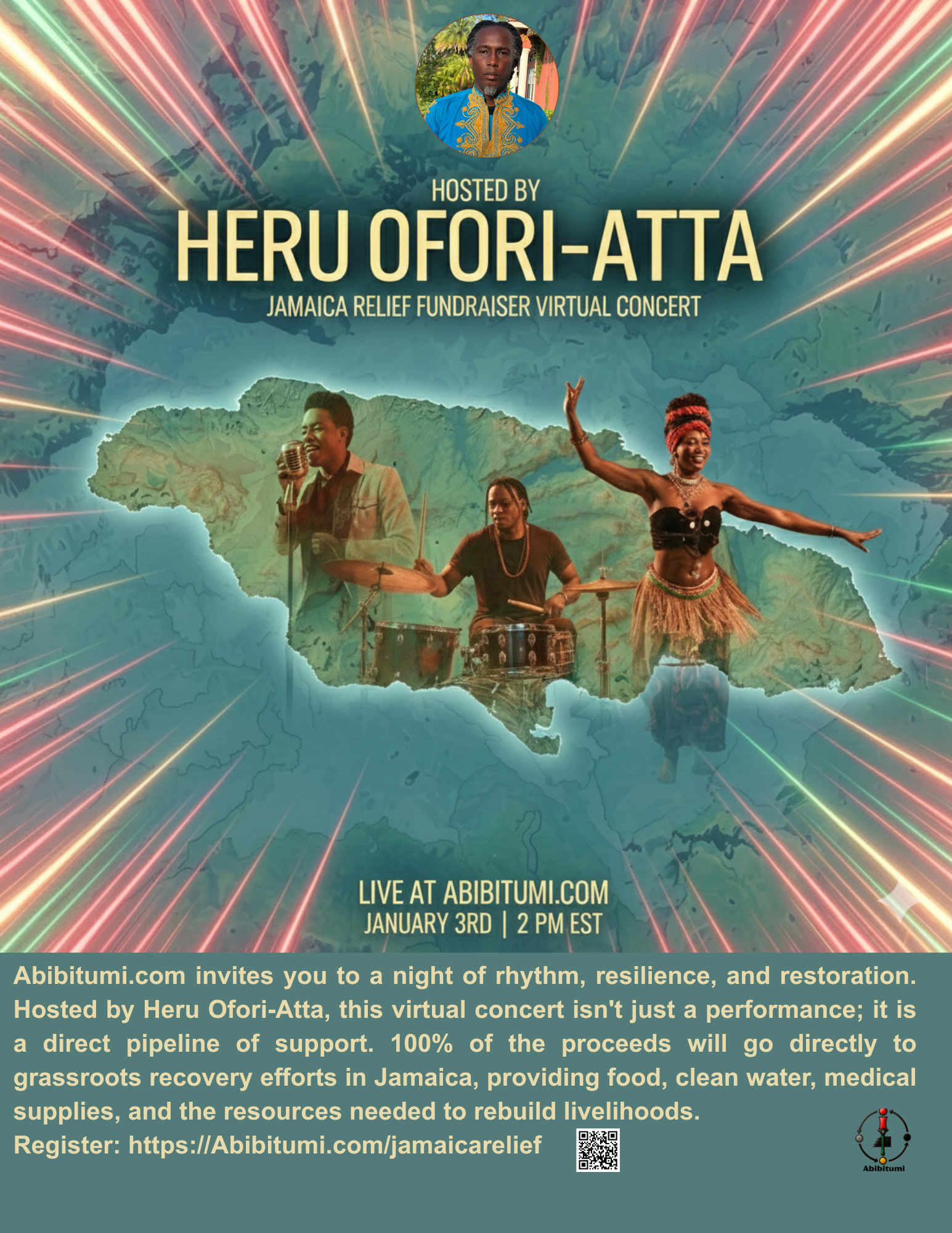
  • Sound, Solidarity & Ma’at: How the Pan-Afrikan World Is Rebuilding Jamaica Together

    Pan-Afrikan Jamaica relief

    Pan-Afrikan Jamaica relief has never looked — or sounded — like this. Abibitumi is convening the global Kmtyw family for a virtual concert that fuses cultural power with collective healing. This is not charity. This is Ma’at in motion.

    Music carries memory. Reggae and Dancehall have always been vessels of Afrikan resistance and joy. Therefore, this event brings top artists from these traditions directly to our community. Furthermore, it pairs that musical power with keynote insights on Caribbean sustainability and recovery. Every note, every word, every connection serves Abibifahodie — the liberation of Afrikan people everywhere.

    Restoring Ma’at Through Pan-Afrikan Jamaica Relief and Kmtyw Unity

    Abibitumi, built by Ɔbenfo Ọbádélé Bakari Kambon, has always stood at the intersection of scholarship and action. Most importantly, this event reflects that same commitment. It is not a passive fundraiser. Instead, it is a live gathering where you interact directly with the global Pan-Kmtyw community. Your presence activates power. Your engagement restores balance. Together, we do not simply send aid — we rebuild from a foundation of Afrikan values and Kmtyw knowledge.

    This event is free. Access costs nothing. As a result, every member of our global family — scholars, students, parents, and community builders — can participate fully. In addition, the virtual format breaks every border that colonialism ever drew between us. Show up. Engage. Let us restore Ma’at together, because our unity is the most powerful resource we possess. Get access here: Watch / Get It Here.